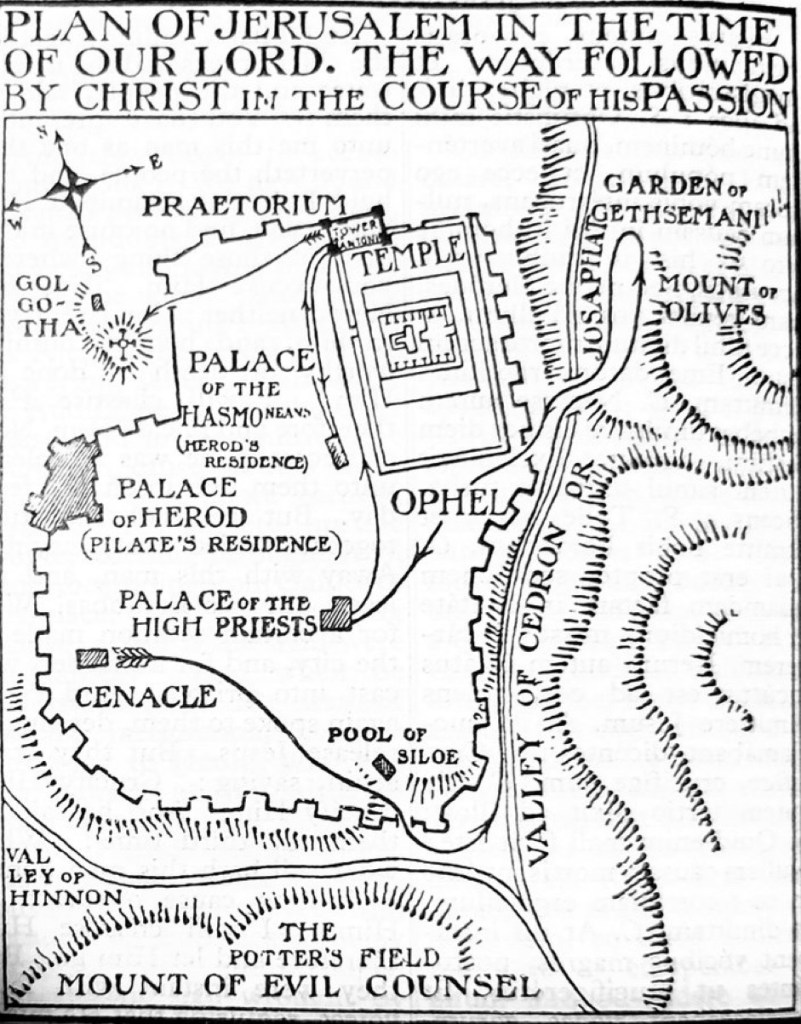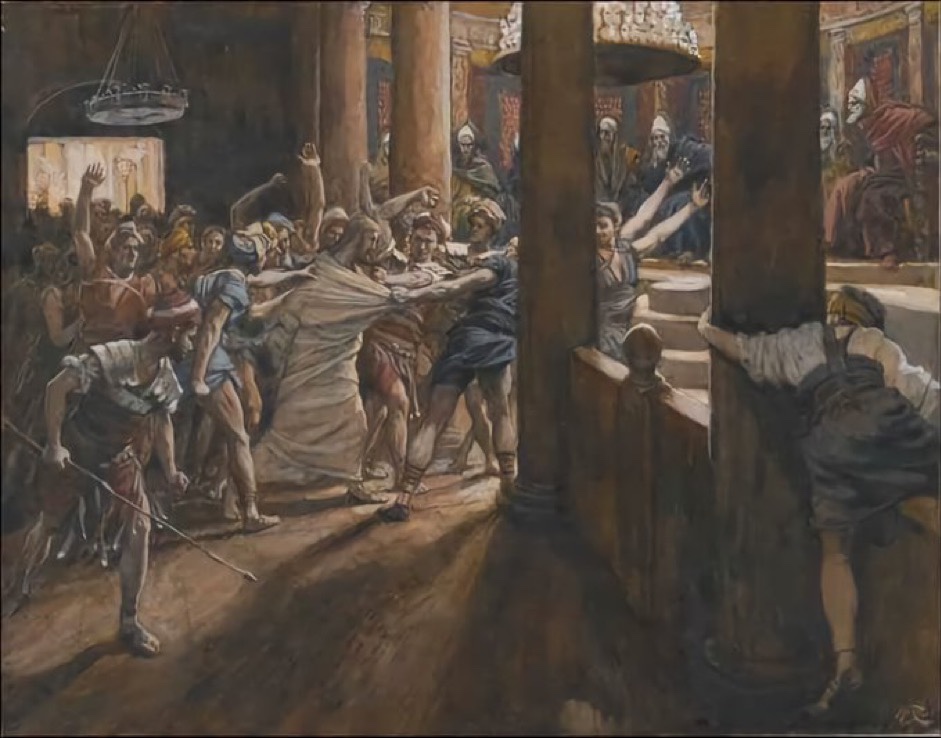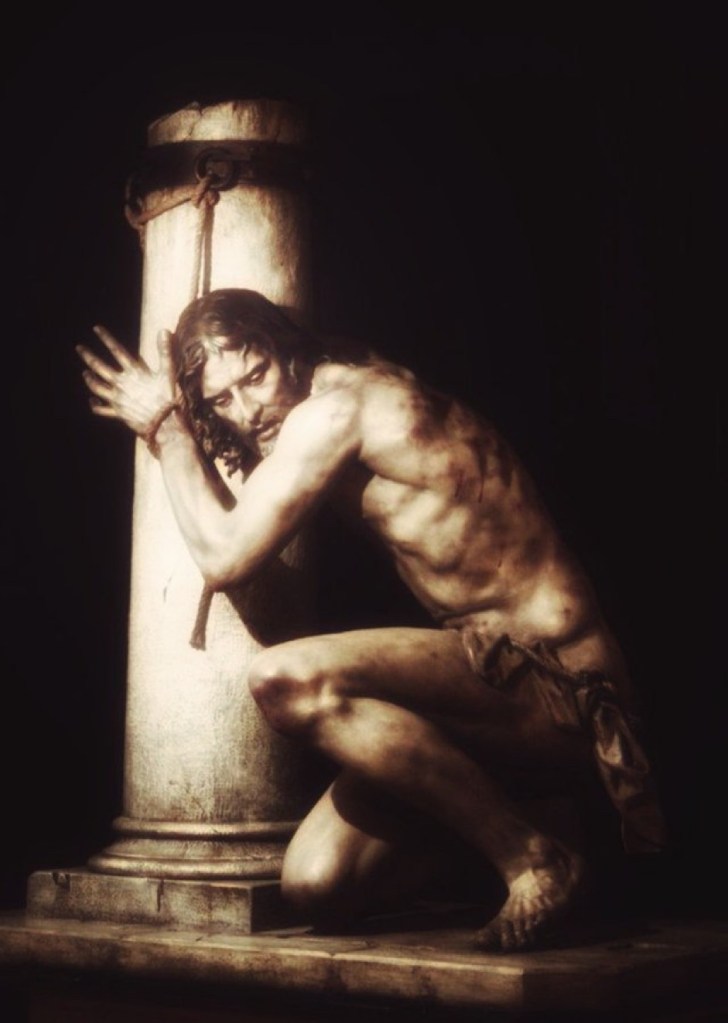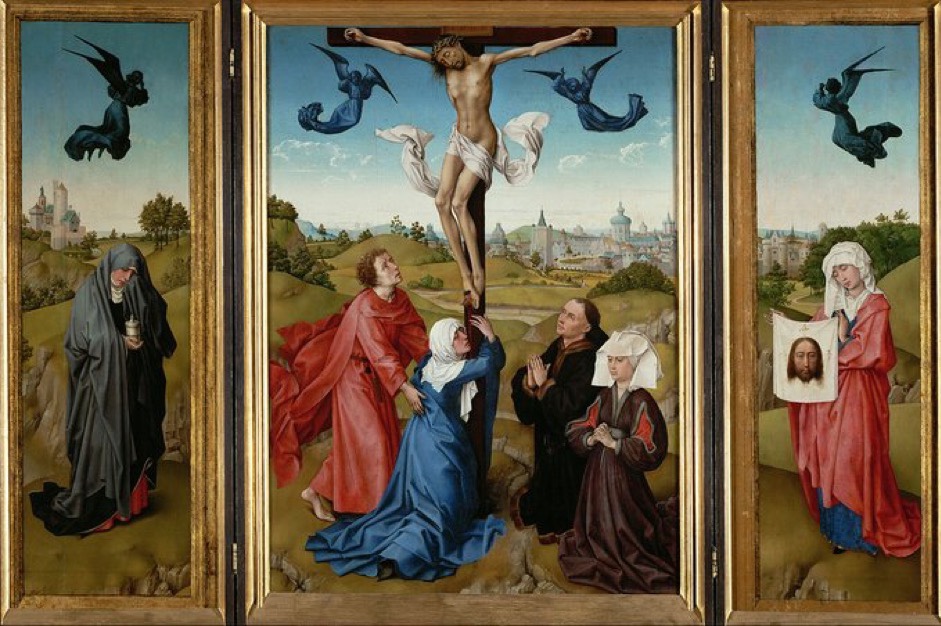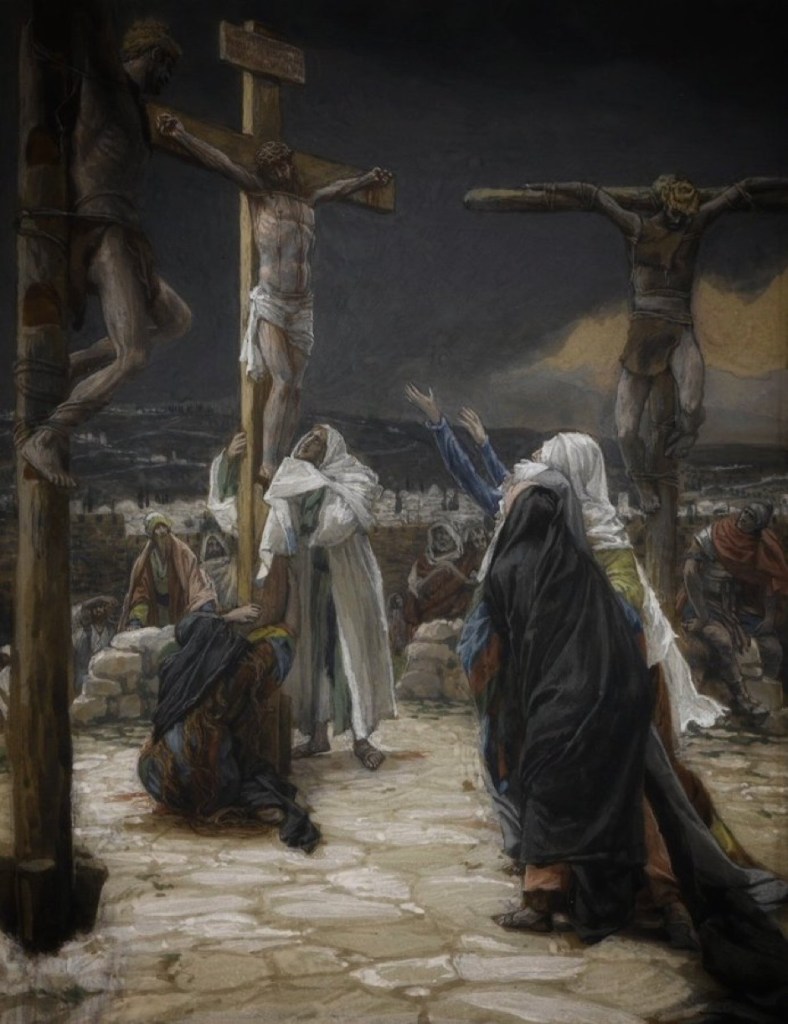
Four More historic Stations of the Cross paintings Restored

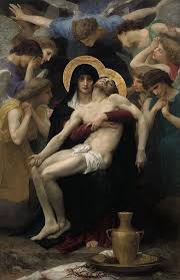
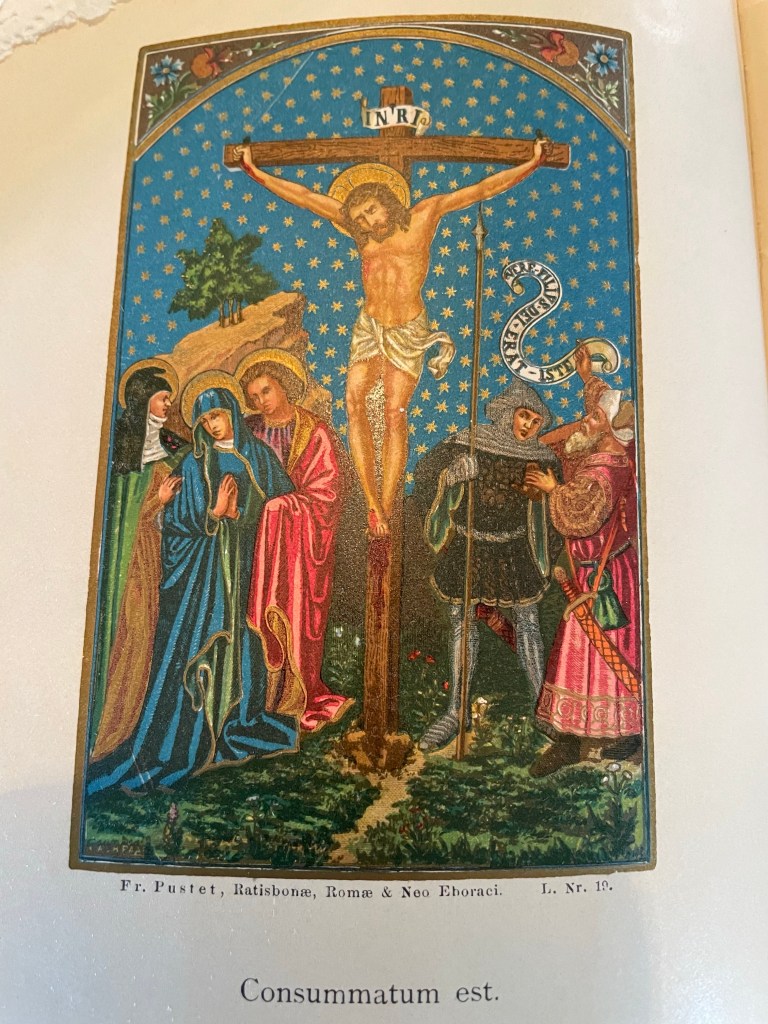
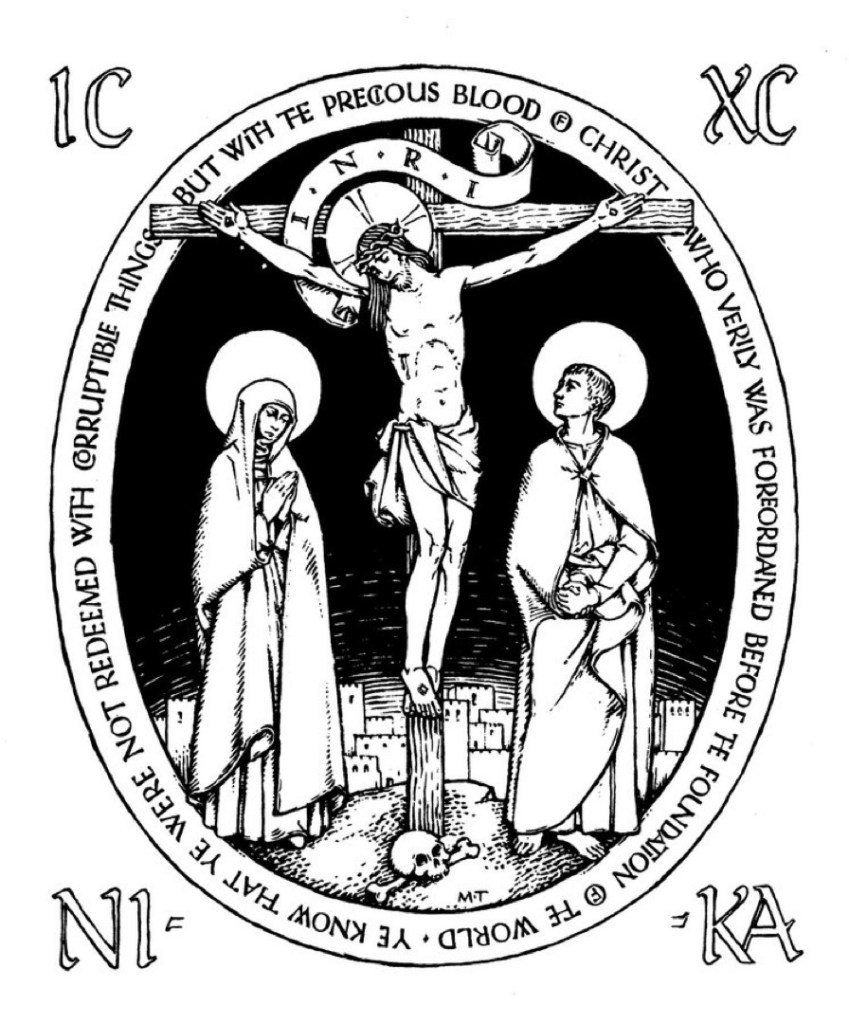
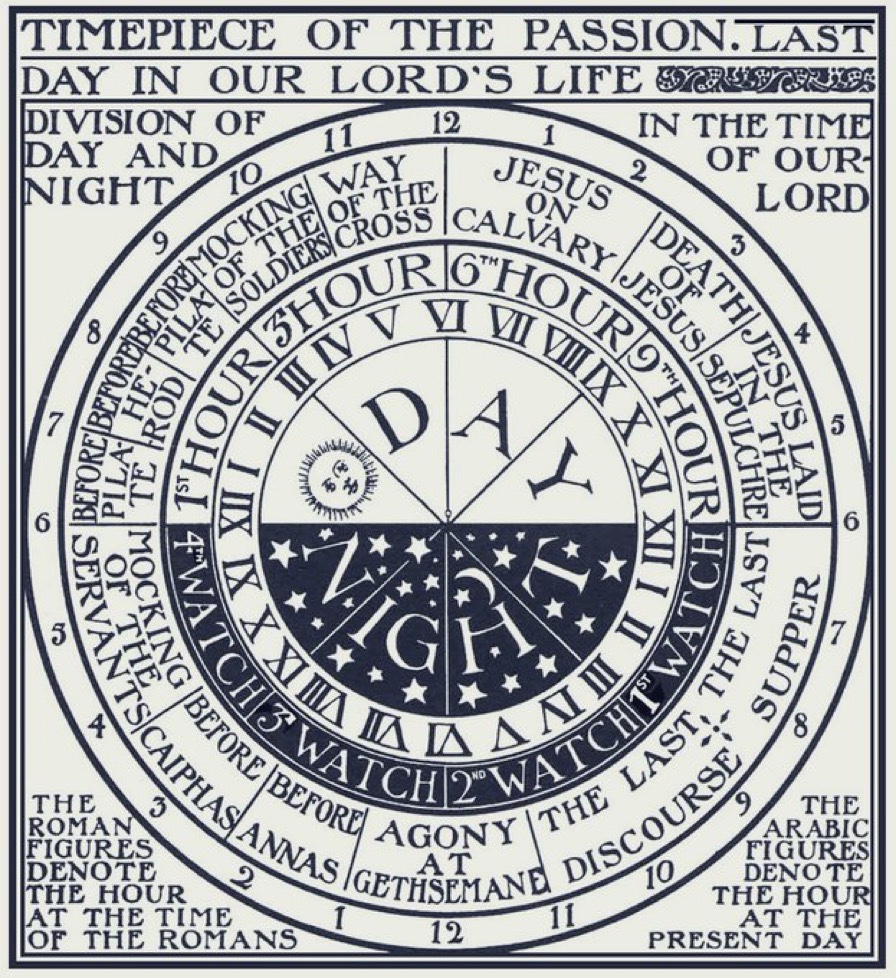
This artwork, painted in the late 19th Century by a parishioner, formerly hung at Old St Mary’s Church in Davenport as part of that church’s Stations of the Cross

Restoration work, cost recovery donated by St Anthony, Davenport parishioners, is continuing with the six remaining paintings.

If you would like to participate, contact John Cooper: davstanthonypa@diodav.org

Lent begins next Wednesday, 22 February, the annual Holy Season of Penance, Fasting and Almsgiving

Spiritual practice during Lent: https://sensusfidelium.com/the-liturgical-year-dom-prosper-gueranger/lent/practice-during-lent/

Why Penance?

Our Redeemer said, “Unless you shall do penance, you shall all likewise perish” (Luke 13:3).

Fasting in Biblical Times

In principio, in the beginning, amongst the very first Commandments God gave to Adam and Eve was one of fasting from the fruit of the tree of the knowledge of good and evil (cf. Genesis 2:16-17). Their failure to abide by this fast brought sin and disorder to all of creation. Thus the Original Sin of mankind included a dimension of gluttony. Clearly, both this divine command and its violation are intricately tied to fasting.

In the Old Testament, both Elijah and Moses fasted for forty days prior to seeing God.

Likewise, in the New Testament, St. John the Baptist, the greatest prophet (cf. Luke 7:28), fasted. And our Blessed Lord also fasted in the desert for forty days (cf. Matthew 4:1-11), not for His own needs but to serve as an example for us.

The Disciples of St. John the Baptist came, one day, to Jesus, and said to him: Why do we and the Pharisees fast often, but thy Disciples do not fast? And Jesus said to them: Can the children of the bridegroom mourn, as long as the bridegroom is with them? But the days will come, when the bridegroom shall be taken away from them, and then they shall fast. [St Matth. ix. 14,15].

Hence, we find it mentioned in the Acts of the Apostles, how the Disciples of our Lord, after the Foundation of the Church, applied themselves to Fasting.

The Purpose of Fasting:

The Church has hallowed the practice of fasting, encourages it, and mandates it at certain times. Why? The Angelic Doctor, St. Thomas Aquinas, writes that fasting is practiced for a threefold purpose: 

“First, in order to bridle the lusts of the flesh…Secondly, we have recourse to fasting in order that the mind may arise more freely to the contemplation of heavenly things: hence it is related of Daniel that he received a revelation from God after fasting for three weeks. Thirdly, in order to satisfy for sins: wherefore it is written: ‘Be converted to Me with all your heart, in fasting and in weeping and in mourning.’ The same is declared by Augustine in a sermon: ‘Fasting cleanses the soul, raises the mind, subjects one’s flesh to the spirit, renders the heart contrite and humble, scatters the clouds of concupiscence, quenches the fire of lust, kindles the true light of chastity.’”

What is Almsgiving?

Any material favour done to assist the needy, and prompted by charity, is almsgiving. every material deed wrought by man to benefit his needy brother is almsgiving. almsgiving implies a material service rendered to the poor for Christ’ssake. “Blessed is he that considers the needy and the poor” (Psalm 40:2) — not he that gives to the needy and the poor.

Scripture is rich in passages which directly or indirectly emphasize the necessity of contributing towards the welfare of the needy. The history of the Church in Apostolic times shows that the early Christians fully realized the importance of this obligation. Community of goods (Acts 4:32), collections in church (Acts 11:29 sqq.; 1 Corinthians 16:1; Galatians 2:10), the ministry of deacons and deaconesses were simply the inauguration of that world-wide system of Christian charity which has circumscribed the globe and added another testimony to the Divinity of that Church which directs her ministrations towards the alleviation of human misery in every shape and form.

An announcement from our Scola Leader to all who sing

hfschola@proton.me

“The choir will be having auditions on Monday 27 February at 7:00 PM.

Membership is limited to singers aged 15 years and older. The audition will consist of singing chant and another piece together as a group in order to gauge one’s ability to learn and sing as a group. One need not be a metropolitan opera star, but one must be able to match pitch, learn music, and blend as a group.

To receive the audition materials and register your interest, please email hfschola@proton.me

We look forward to hearing people sing and continuing to grow our sacred music program for the traditional Latin mass in the Quad Cities.”

19 January -Quinquagesima Sunday: 11:00 Holy Family, Davenport- 2:30 St Patrick, Iowa City

https://ususantiquior.files.wordpress.com/2021/02/propers-for-quinquagesima-sunday.pdf

Catechism 9:30, Confessions 10:10, Rosary 10:30, High Mass 11:00, Holy Face devotion in church after Mass, Fellowship meal downstairs in Enright Hall, after Mass (Davenport)

Confessions 2:05 pm, High Mass 2:30, Fellowship Meal after Mass in Social Hall (Iowa City)

We have now embarked upon pre-Lent

https://sensusfidelium.com/the-liturgical-year-dom-prosper-gueranger/season-of-septuagesima/mystery-of-septuagesima/

Gueranger:

It is evident that the Christian, who would spend Septuagesima according to the spirit of the Church, must make war upon that false security, that self-satisfaction, which are so common to effeminate and tepid souls, and produce spiritual barrenness.

Met. Antony Bloom:

“God can save the sinner you are, but not the saint you pretend to be.”