Adoration and Confessions after Mass
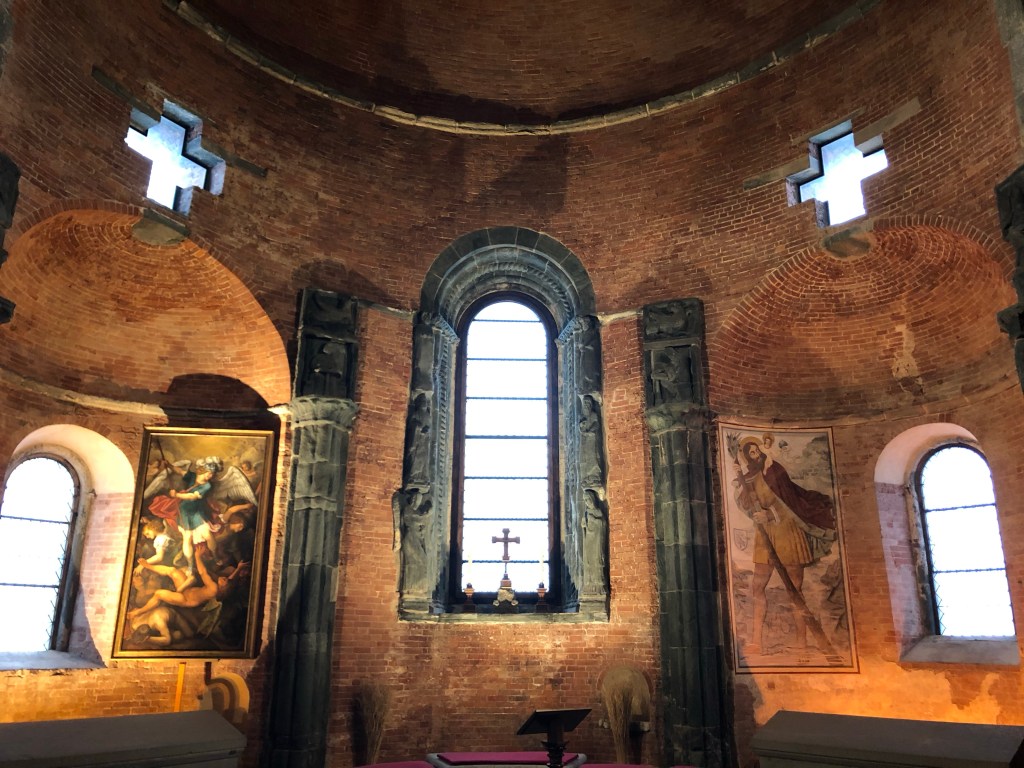
https://www.newliturgicalmovement.org/2020/05/the-shrine-of-st-michael-archangel-on.html?m=1
https://extraordinaryform.org/propers/0929DedicationStMichael.pdf
Blog of Fr Christopher Young, Vicar, St Alphonsus Church Davenport Iowa
Adoration and Confessions after Mass
https://extraordinaryform.org/propers/0929DedicationStMichael.pdf
Adoration and Confessions at 11:00
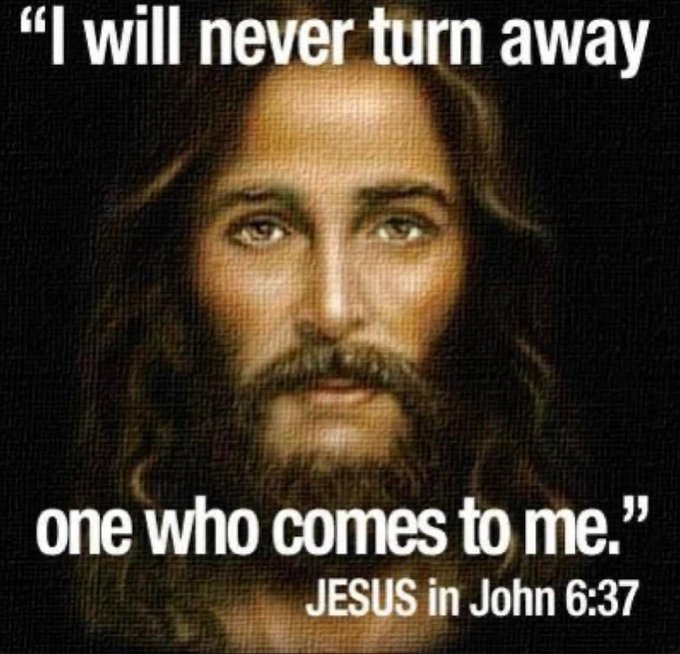
Holy Family, Davenport: 9:30 Catechism in the Parish Office bldg, 10:15 Confessions, 10:35 Rosary, 11:00 High Mass. Holy Face devotion. Fellowship meal in the Hall.
St Patrick, Iowa City: 2:20 Confessions, 2:25 Rosary, 2:45 Low Mass.
Religious goods blessed this week at both Masses
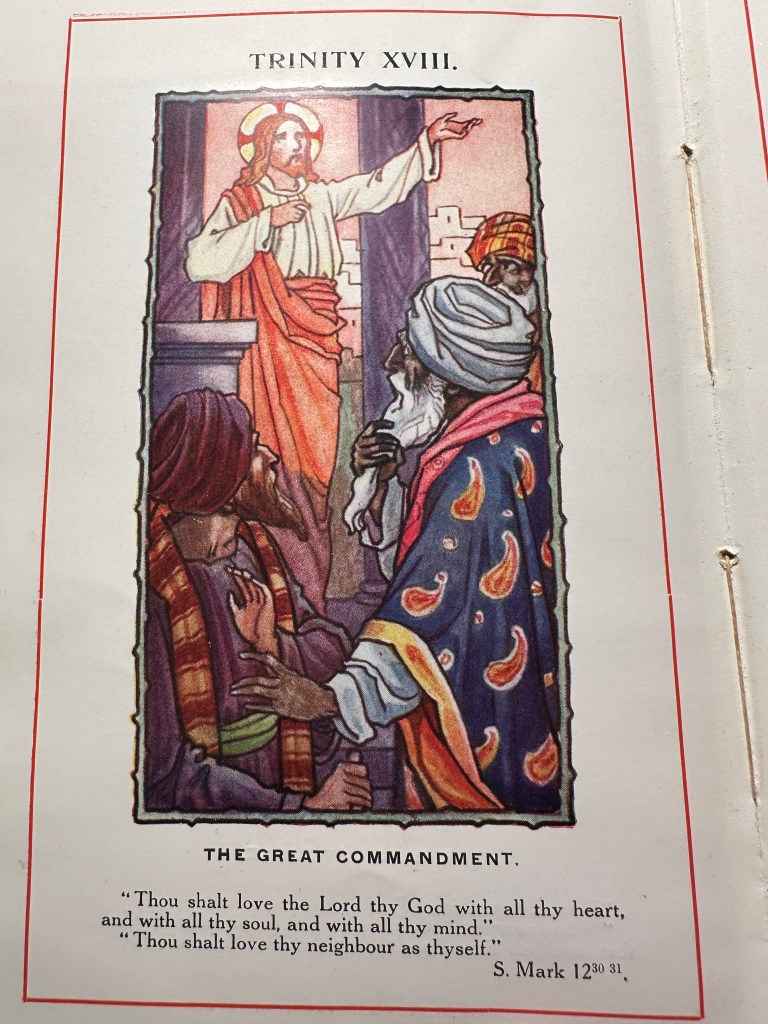
Commemoration of St Thomas of Villanova
Adoration and Confessions following Mass

The bazaar is a fundraiser benefiting Holy Family, All Saints School, and Altar and Rosary Society.
With their part of the proceeds, Altar and Rosary purchases items used for and around our Masses- altar bread, wine, linens, altar and votive candles.
I would appreciate it if you could support this fundraiser by selling or purchasing Raffle Tickets. Available in the parish office- if your household did not receive any directly by mail.
Cash prizes are $500, $300, $200, and $100.
Another way to support our church is by joining me in creating a Basket around a certain theme for our Silent Auction. Baskets are due by October 7 and can be dropped off at the Office.
Baskets to use are available in Enright Hall.
They will be displayed in Enright Hall and on our website during the month of October. The basket auction will take place at the Bazaar.
Thank you for your continued support of Holy Family.
The Bazaar Committee includes, from among our Mass, Bev Heidgerken and Jill Kluver
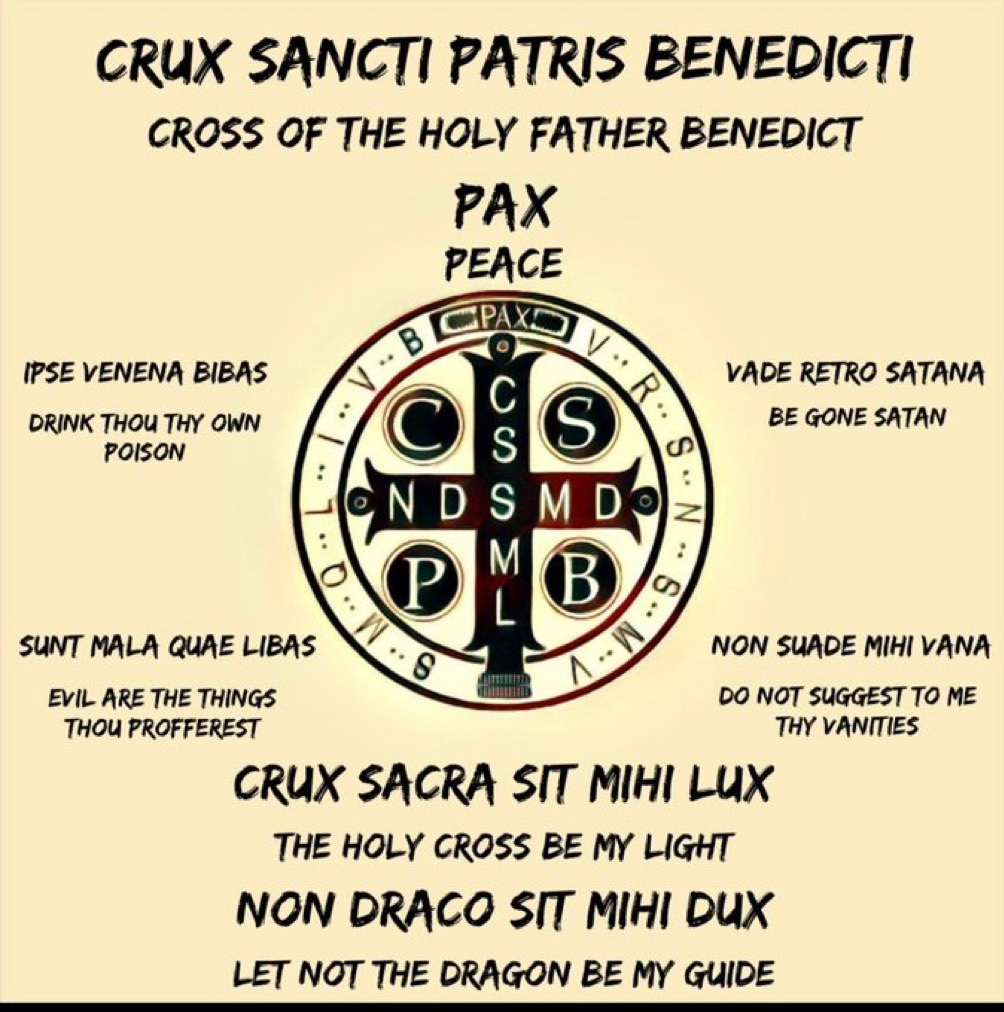
I will bless religious items such as the Benedict Jubilee Medal and Rosaries following Mass this Sunday. Water, salt, oil, candles etc. Please bring them, unwrapped, to the sacristy before or just after Mass – or ask an altar boy to do so – who will inform you when your items are ready to be picked up. Thanks
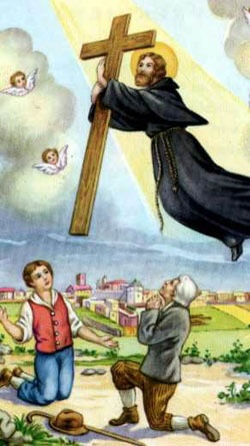
St. Joseph was born in 1603 at Cupertino, in the diocese of Nardo in the Kingdom of Naples. After spending his childhood and adolescence in simplicity and innocence, he finally joined the Franciscan Friars Minor Conventual. After his ordination to the holy priesthood, he gave himself up entirely to a life of devotion to the Lord and his church. His deep devotional life led him to the kind of holiness which is forged through humility, voluntary mortification, and obedience. He was consecrated to the Blessed Virgin Mary and promoted devotion to her among all classes of people as wonderful path to a deeper Christian life and love for Jesus Christ.
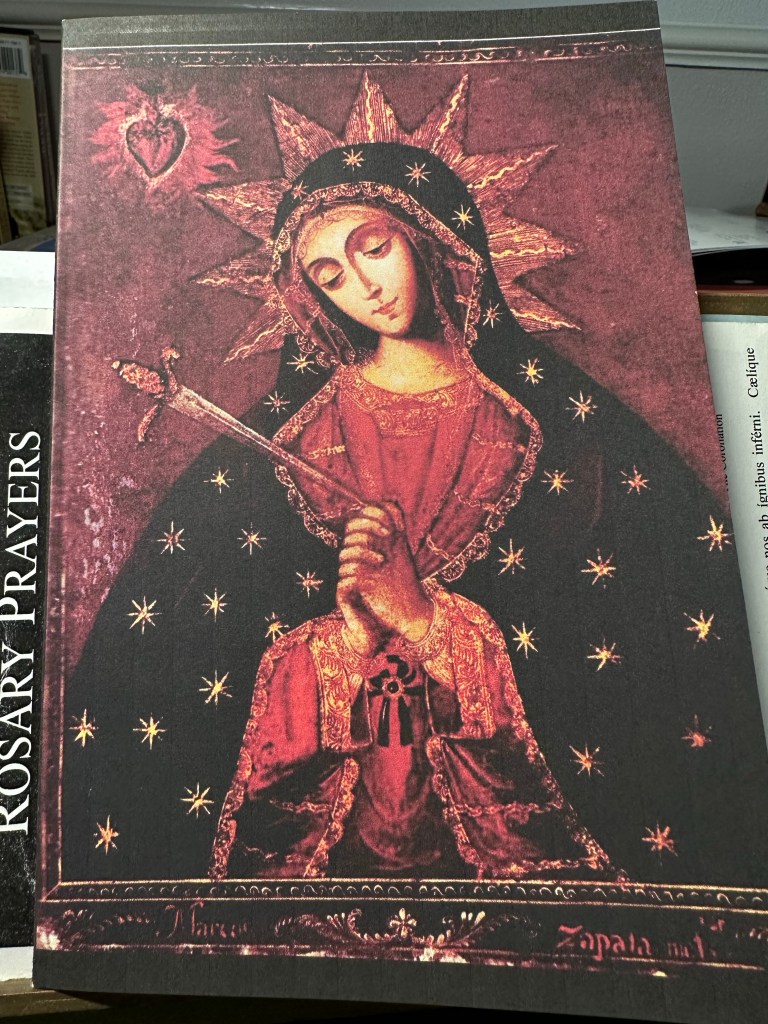
To the thirty families who sent me a Spiritual Bouquet of… Family Novenas in honor of the Dolors of Mary, Family Litanies of Our Lady of Seven Sorrows, a Family Novena of Rosaries, a Family Week of Rosaries, Masses for my intentions, and a Gower Sisters Novena in honor of the Dolors of Mary…
in honor of my Birthday this week.
Mass tomorrow, the 16th Week after Pentecost, will be offered in thanksgiving for your love for Jesus, Mary, and their servant, yours truly- and for all the people of Holy Family parish
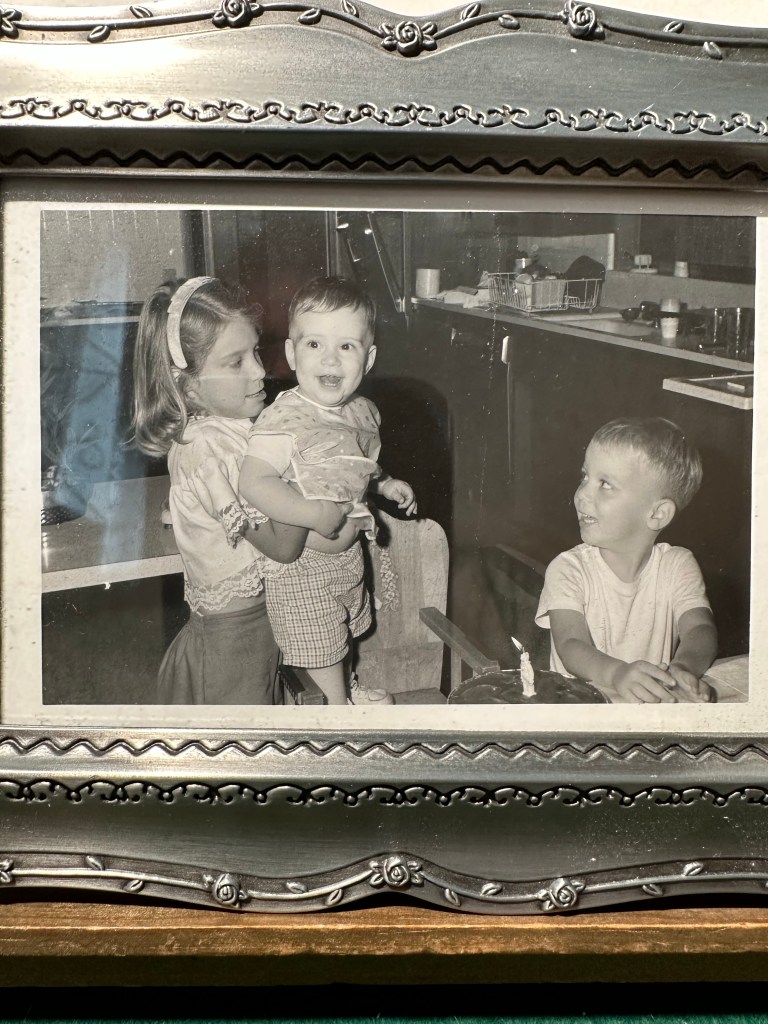
[I didn’t have my picture taken this year, but here’s a snapshot my sister surprised me with, taken at my First Birthday… O think what joy we’ll have on our faces when we meet Christ face to face, in Heaven!]
Holy Family, Davenport: Catechism 9:30, Confessions 10:15, High Mass 11:00; Holy Face Devotion after Mass in the church, Fellowship Meal downstairs in the Hall.
St Patrick, Iowa City: Confessions, 2:20, Mass 2:45; potluck afterwards in the Hall.
Have a WordPress.com account? Log in now.